Digital Twins

From data collection to informed decisions
Intro

A digital twin enables the reliable management of underwater infrastructure.

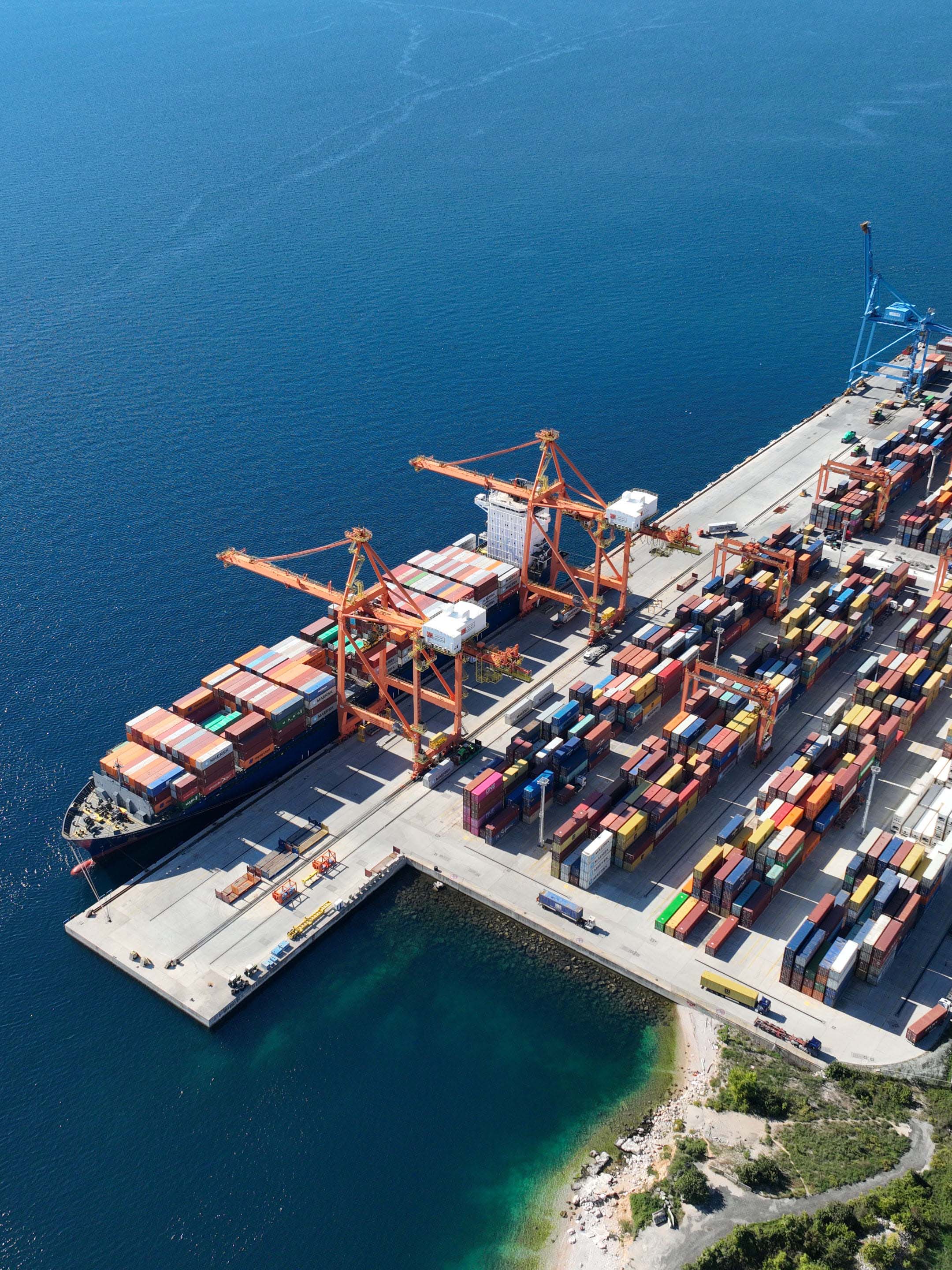
A digital twin enables the reliable management of underwater infrastructure through a measurable and comparable record of its actual condition over a specific period. We collect precise data over time and compare different phases of the infrastructure. This allows port authorities, harbors, and container terminal operators, as well as companies maintaining subsea infrastructure, to always maintain full control over their underwater assets.
Definition

What is a digital twin of infrastructure?

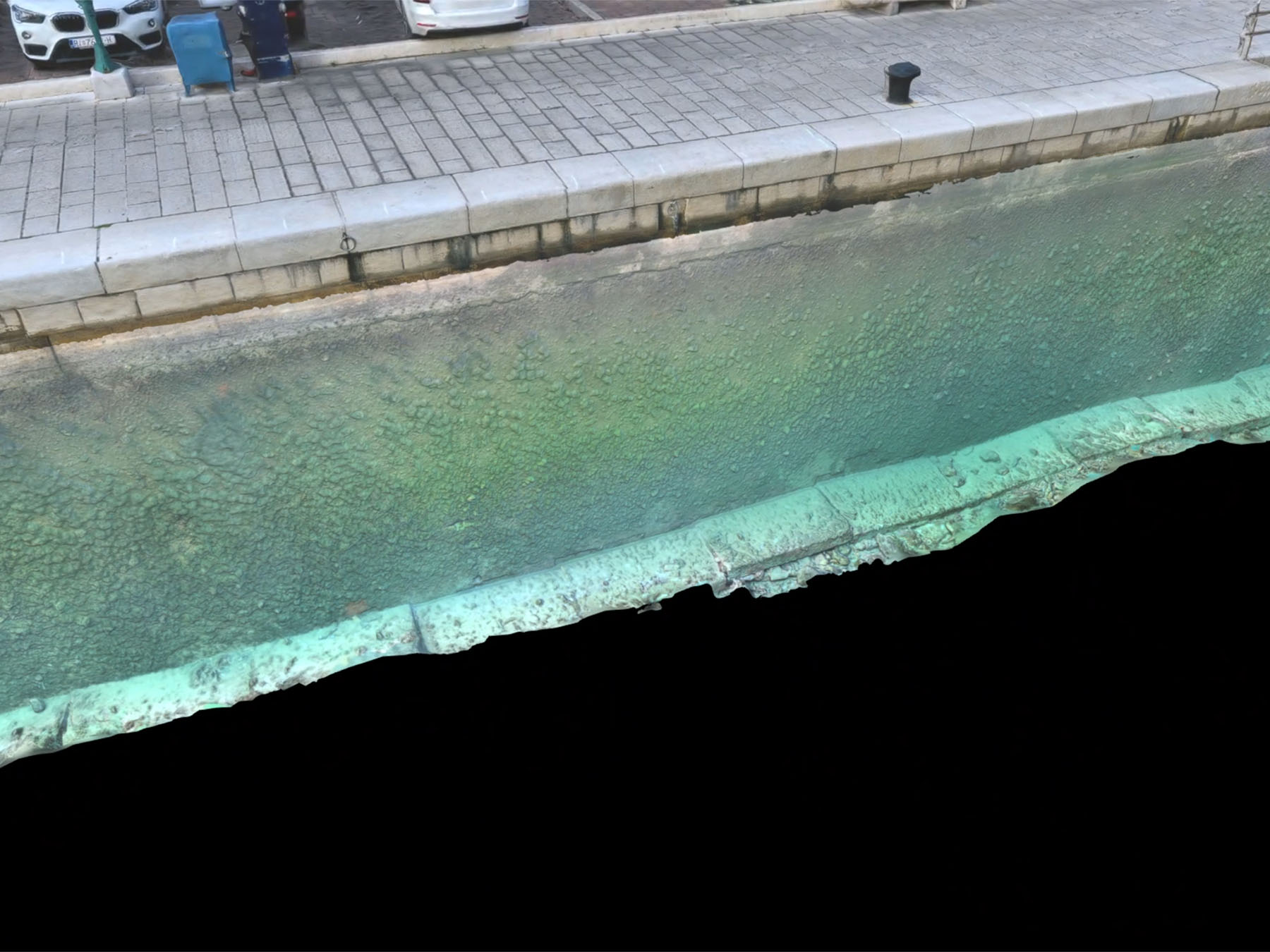
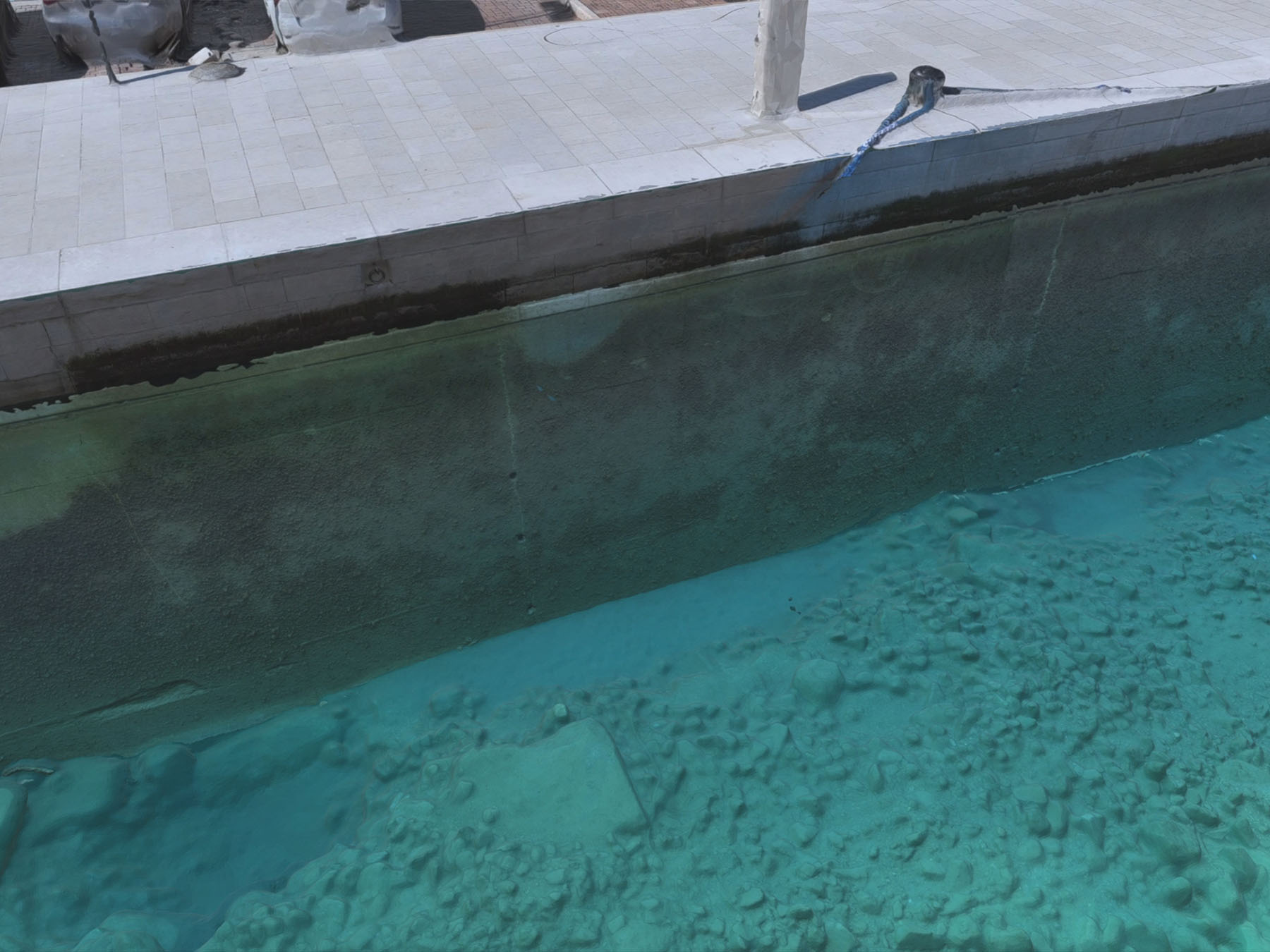
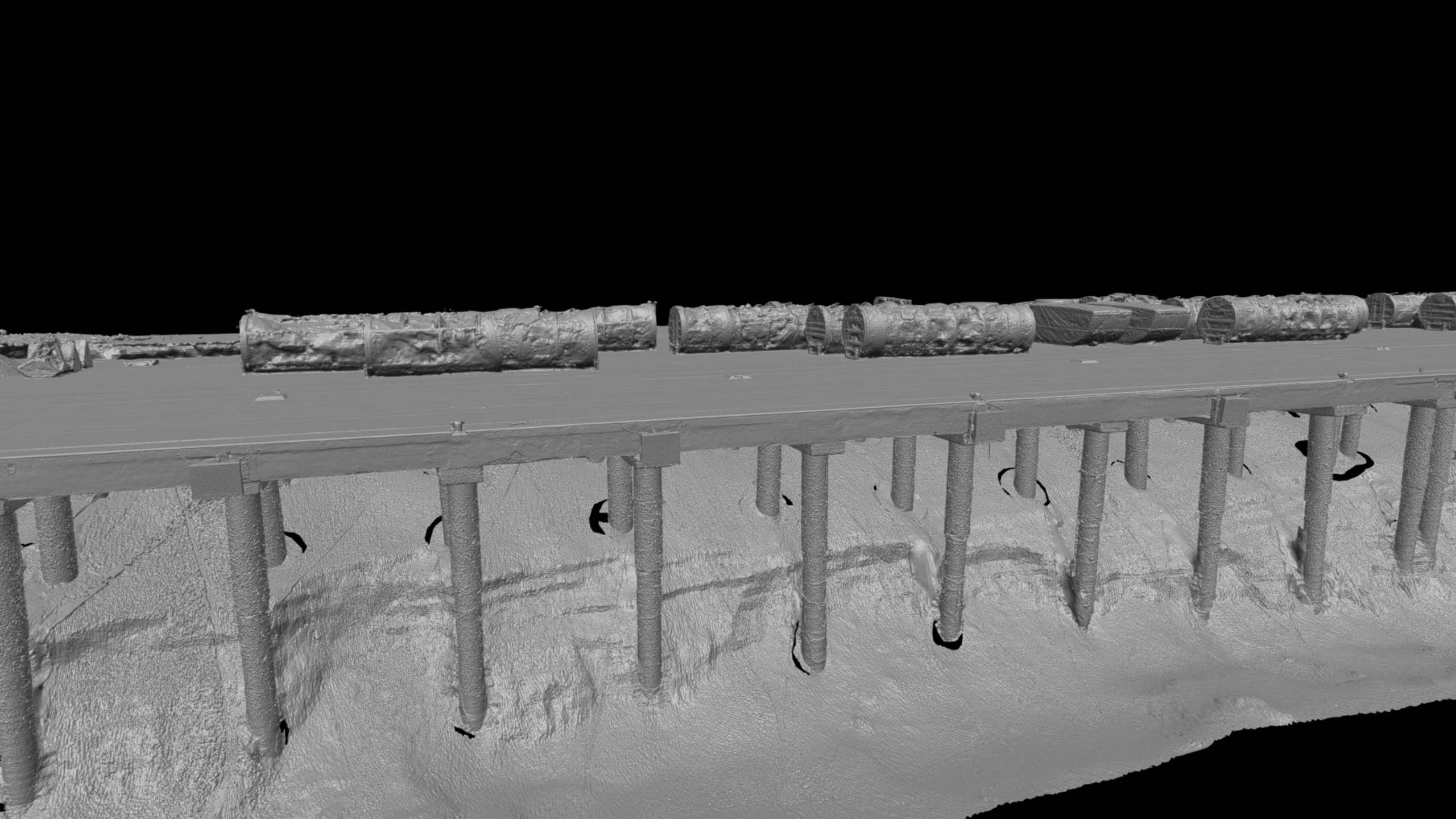
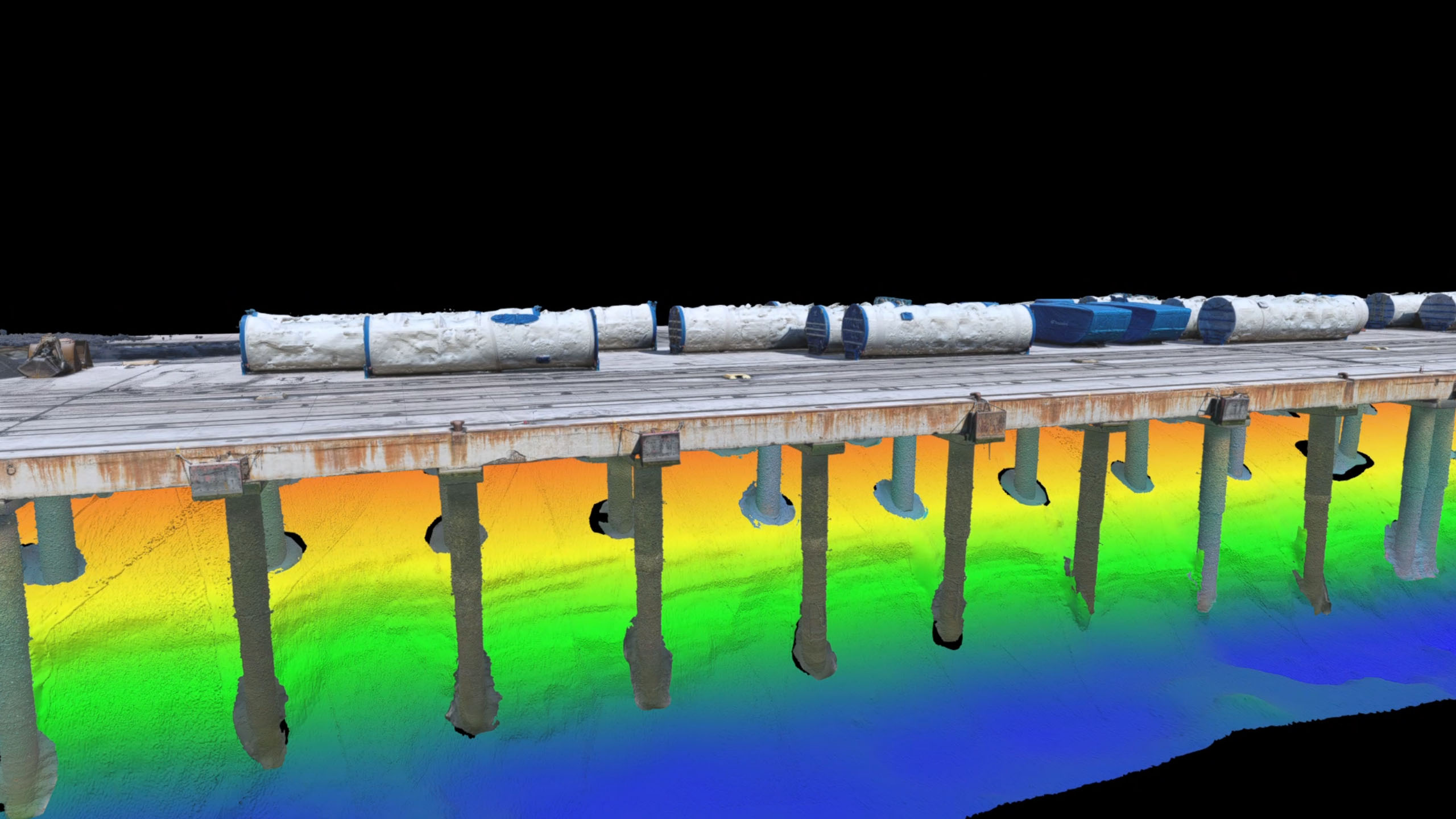
A digital twin of underwater infrastructure is a georeferenced digital record of the real condition of a structure, enabling precise measurement and comparison over time. Unlike traditional models used mainly for visualization, a digital twin represents a reliable dataset on which operational and investment decisions can be based.
Comparison

Why is a digital twin Important for infrastructure management?

In most systems, infrastructure condition is assessed through periodic inspections and descriptive reports.
Traditional approach
Data is not comparable
Changes are difficult to quantify
Decisions are based on estimation
Digital twin
Enables measurement
Enables comparison
Reduces risk
Time-shift

Time-based comparison as the foundation for decision-making

The greatest value of a digital twin lies in its ability to enable comparison over time.

This allows reliable monitoring of:

  • Crack development
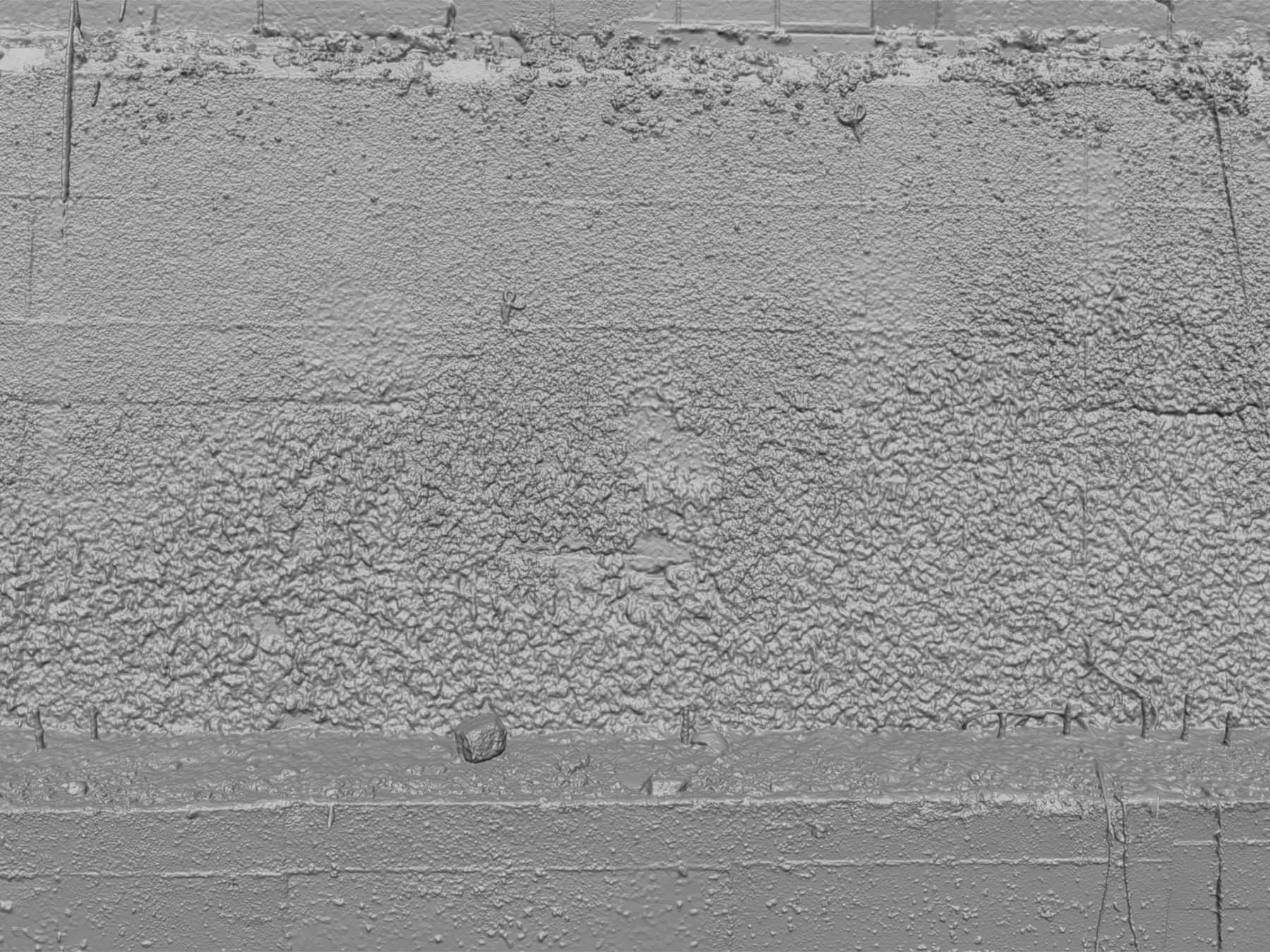
  • Erosion and material degradation
  • Changes across large surface areas

A precise, data-driven approach provides a clear answer to the key question: what is changing in the infrastructure, and how fast?

A digital twin enables the transition from occasional condition inspections to continuous, data-driven management of underwater infrastructure.

This allows organizations to:

  • Detect issues at an earlier stage
  • Plan maintenance based on actual conditions
  • Reduce operational risk
  • Optimize investments
  • Manage infrastructure over the long term
  • Run simulations in real spatial conditions with accurate vessel dimensions and parameters such as wind, sea level, and other operational factors
The digital record serves as an operational foundation for:
  • Monitoring infrastructure condition over time
  • Making maintenance decisions
  • Planning investments
  • Reporting and documenting the condition
  • Integrating with operational data and stimulations
  • Linking with vessel movement data (AIS) and real operational conditions in ports

In other words, data is not used only for visualization, but for making concrete and timely decisions. If the data is not collected and verified according to appropriate standards, such decisions may be based on incorrect assumptions.

The reliability of a digital twin does not come from technology itself, but from a controlled methodology.

The quality of the record depends on:

  • The method of data collection
  • Control of recording conditions
  • Model processing and verification
  • Integration into a unified coordinate system

A digital twin is not just a mode, but a controlled and verified system for documenting underwater infrastructure. Deviations in any of these steps can result in loss of accuracy, textural anomalies, or geometric errors that are not always visually apparent.

A digital record represents long-term value for infrastructure management:
  • Data remains the property of the client
  • It can be used over multiple years
  • It enables comparisons across different maintenance cycles
  • It is structured in a way that supports long-term use across various systems

In addition, data quality must be demonstrable through measurable parameters and control metrics to ensure long-term reliability.

Advanced AI models enable automatic detection of cracks and degradation based on large volumes of labelled data from real infrastructure projects. This further increases the reliability of the analysis and allows for earlier identification of risks.

001
From inspection to management
002
How it is used in practice
003
The foundation of reliability
004
Long-term value of data
001
From inspection to management
002
How it is used in practice
003
The foundation of reliability
004
Long-term value of data
Continue reading

Application in practice